
Opportunities and Challenges of Online Trading in the Philippines
Online trading has become more accessible than ever, giving Filipinos new ways to participate in global financial markets from the comfort of their homes. Thanks to digital platforms, improved internet connectivity, and increased financial awareness, more individuals are exploring Trading in Philippines as a potential way to diversify their income and expand their financial knowledge.
As a result, professionals, entrepreneurs, students, and overseas Filipino workers (OFWs) have started learning how different markets operate while developing strategies that suit their financial goals and risk tolerance. Moreover, educational resources have become more widely available through webinars, online courses, trading communities, and market analysis, making it easier for beginners to understand the fundamentals before placing their first trade. However, while technology has opened countless opportunities, success in online trading does not happen overnight.
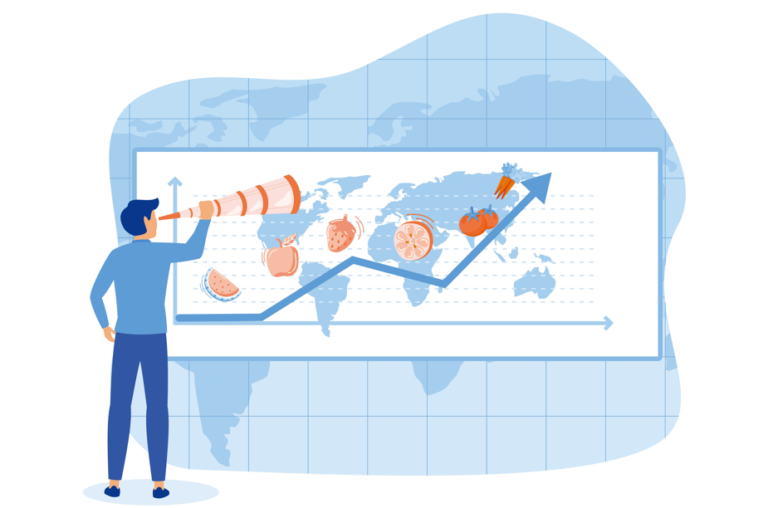
Additionally, understanding both the rewards and risks helps aspiring traders build realistic expectations instead of chasing quick profits. By approaching the market with proper education and responsible decision-making, Filipinos can make informed choices while participating in the ever-growing financial landscape. Consequently, Trading in Philippines continues to attract individuals who want to strengthen their financial literacy and explore opportunities beyond traditional income sources.
Opportunities That Make Online Trading Attractive
Online trading offers several advantages that encourage more Filipinos to explore the financial markets. Although every trading journey is different, many individuals appreciate the flexibility, accessibility, and learning opportunities available through modern trading platforms.
Some of the key opportunities include:
- Access to Global Markets – Traders can participate in international financial markets without leaving the Philippines.
- Flexible Trading Schedule – Certain markets operate for extended hours, allowing traders to fit trading around their daily routines.
- Lower Barrier to Entry – Many brokers provide demo accounts and educational materials that help beginners gain experience before trading with real funds.
- Continuous Learning Opportunities – Free webinars, market analysis, trading guides, and educational articles help traders improve their knowledge over time.
- Portfolio Diversification – Online platforms often provide access to multiple asset classes, including forex, commodities, indices, and CFDs.
- Technology-Driven Tools – Modern platforms include charting software, economic calendars, technical indicators, and risk management features that support informed decision-making.
- Financial Literacy Development – Learning how financial markets react to economic events encourages individuals to better understand global economics and personal finance.
These opportunities explain why interest in Trading in Philippines continues to grow across different age groups and professions. Nevertheless, traders should remember that opportunities become meaningful only when combined with proper education, disciplined planning, and responsible risk management.
Why ₱5,000 Is More Than Enough to Begin Your Trading Journey
Why ₱5,000 Is More Than Enough to Begin Your Trading Journey Many young Filipinos assume entering the financial markets requires massive capital, but ₱5,000 is both realistic and effective. For Filipino Students in Trading, starting with a modest budget acts
The Evolution of Online Trading: From Floor to Fingertip
The Evolution of Online Trading: From Floor to Fingertip Before online trading became part of everyday life, financial markets operated in a very different environment. Traders once gathered on physical trading floors, where they bought and sold assets through face-to-face
Opportunities and Challenges of Online Trading in the Philippines
Opportunities and Challenges of Online Trading in the Philippines Online trading has become more accessible than ever, giving Filipinos new ways to participate in global financial markets from the comfort of their homes. Thanks to digital platforms, improved internet connectivity,