
Top 5 Trading Tools Every Forex Trader Should Use Daily
Successful forex trading requires more than just a strategy. Traders must use the right trading tools to analyze the market, manage risk, and execute trades efficiently. Without proper trading tools, decisions become emotional and inconsistent. Moreover, the forex market moves quickly, so preparation and structure make a significant difference. When traders integrate reliable platforms, economic calendars, charting systems, calculators, and journals into their daily routine, they improve accuracy and discipline. Therefore, mastering essential trading tools is not optional but necessary for long-term success in the forex market.
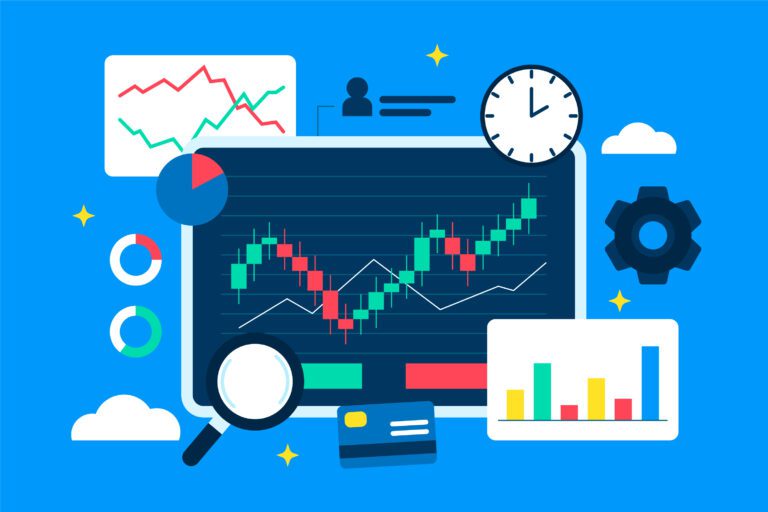
1. Real-Time Trading Platform for Execution and Analysis
A reliable trading platform serves as your primary control hub. Without it, you cannot execute trades, monitor price movements, or manage positions effectively. Platforms like MetaTrader 4 and MetaTrader 5 allow traders to access real-time charts, apply technical indicators, and automate strategies using Expert Advisors. Moreover, these platforms provide multiple timeframes, customizable chart settings, and one-click trading features that enhance efficiency. Because the forex market operates 24 hours a day, traders must rely on stable systems that execute orders quickly and accurately. In addition, most platforms offer mobile versions, enabling traders to monitor positions anytime and anywhere. Consequently, traders maintain control even during volatile market conditions. A good platform also integrates essential trading tools such as trend indicators, oscillators, and risk calculators. Therefore, choosing a regulated broker that offers a secure and fast platform becomes critical. Ultimately, your trading platform acts as the foundation of your entire trading routine
2. Economic Calendar: Timing the Market with Precision
An economic calendar helps traders anticipate volatility before it happens. Since forex prices react strongly to macroeconomic data, traders must monitor scheduled events such as interest rate decisions, inflation reports, and employment data. For example, announcements from the Federal Reserve or the European Central Bank often trigger sharp market movements. Therefore, checking an economic calendar daily allows traders to prepare for potential breakouts or reversals. Additionally, most calendars classify events by impact level, helping traders prioritize high-volatility releases. Instead of reacting emotionally to sudden spikes, traders who use this trading tool can plan entry and exit points strategically. Furthermore, traders can align their technical analysis with fundamental catalysts to strengthen decision-making. As a result, they avoid unnecessary risks during unpredictable periods. Because timing plays a crucial role in forex, an economic calendar remains one of the most essential trading tools for daily preparation and risk control.
3. Technical Indicators: Enhancing Chart Analysis
Technical indicators transform raw price data into meaningful insights. While price charts show movement, indicators help traders identify trends, momentum, and potential reversals. Popular tools such as the Moving Average, Relative Strength Index, and MACD provide signals that guide entry and exit decisions. For instance, when the RSI indicates overbought conditions, traders may anticipate a possible correction. Likewise, moving averages help confirm trend direction and dynamic support or resistance levels. However, traders should avoid overloading their charts with too many indicators. Instead, they should select complementary trading tools that align with their strategy. By combining trend indicators with momentum oscillators, traders improve accuracy and reduce false signals. Moreover, consistent use of indicators builds pattern recognition skills over time. Because technical analysis plays a central role in forex trading, these trading tools empower traders to make structured, data-driven decisions rather than emotional guesses.
4. Risk Management Calculator: Protecting Your Capital
Technical indicators transform raw price data into meaningful insights. While price charts show movement, indicators help traders identify trends, momentum, and potential reversals. Popular tools such as the Moving Average, Relative Strength Index, and MACD provide signals that guide entry and exit decisions. For instance, when the RSI indicates overbought conditions, traders may anticipate a possible correction. Likewise, moving averages help confirm trend direction and dynamic support or resistance levels. However, traders should avoid overloading their charts with too many indicators. Instead, they should select complementary trading tools that align with their strategy. By combining trend indicators with momentum oscillators, traders improve accuracy and reduce false signals. Moreover, consistent use of indicators builds pattern recognition skills over time. Because technical analysis plays a central role in forex trading, these trading tools empower traders to make structured, data-driven decisions rather than emotional guesses.
5. Trading Journal: Tracking Performance and Growth
A trading journal helps traders evaluate performance objectively. While many traders focus only on profits and losses, successful traders analyze behavior, execution timing, and emotional responses. By recording entry reasons, stop-loss placement, and exit decisions, traders identify patterns that either support or weaken their strategy. Moreover, reviewing past trades highlights recurring mistakes such as overtrading or moving stop-loss levels prematurely. Because growth requires accountability, a journal becomes one of the most underrated trading tools available. Additionally, traders who document results develop discipline and consistency. Over time, this habit strengthens confidence and sharpens strategy refinement. Instead of repeating errors, traders learn from data and adjust accordingly. Therefore, maintaining a detailed trading journal transforms random activity into measurable progress.
Philippine Taxes on Forex: What Every Trader Should Know
Philippine Taxes on Forex: What Every Trader Should Know Forex trading continues to grow in popularity in the Philippines. Because online platforms now make global markets accessible, more Filipinos are exploring currency trading as a potential income source. In the
SmarTrade Brings Financial Literacy to Bulacan State University
SmarTrade Brings Financial Literacy to Bulacan State University On February 21, 2026, SmarTrade successfully collaborated with the Junior Financial Executives of Bulacan State University for an engaging and impactful financial wellness seminar. The event gathered almost 100 students from the
Top 5 Trading Tools Every Forex Trader Should Use Daily
Top 5 Trading Tools Every Forex Trader Should Use Daily Successful forex trading requires more than just a strategy. Traders must use the right trading tools to analyze the market, manage risk, and execute trades efficiently. Without proper trading tools,