
Philippine Taxes on Forex: What Every Trader Should Know
Forex trading continues to grow in popularity in the Philippines. Because online platforms now make global markets accessible, more Filipinos are exploring currency trading as a potential income source. In the Philippines, the government generally taxes income earned by residents regardless of where it comes from. Therefore, profits from forex trading may be considered part of your taxable earnings. Even if trading happens through international brokers or digital platforms, Filipino traders still have the responsibility to report their income when required. Understanding tax on forex early helps traders avoid confusion, penalties, or compliance issues in the future. Knowing how tax on forex works allows traders to plan their finances better and treat trading like a legitimate financial activity rather than a casual side hustle.
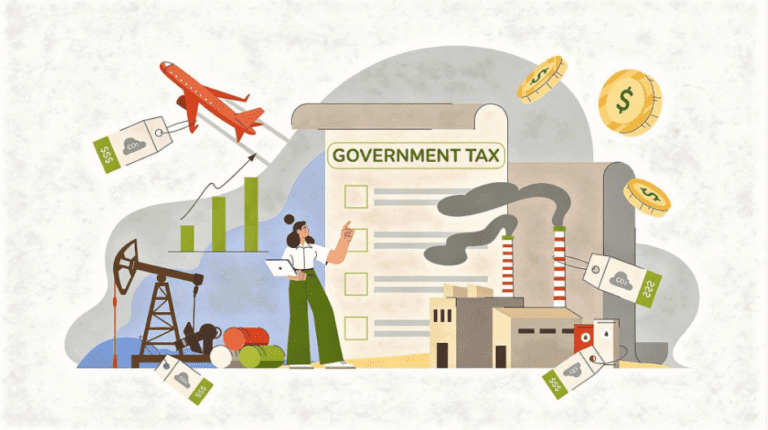
What Filipino Traders Should Know About Tax on Forex
- Forex profits may be taxable income
If you earn money from trading, the government may treat it as part of your annual income. - Worldwide income may apply
Filipino residents may be taxed on income earned locally and internationally. - Online brokers do not remove tax obligations
Even if your broker operates overseas, your earnings may still fall under Philippine tax rules. - Transparency protects traders
Proper reporting builds credibility and prevents potential legal issues.
Because of these factors, learning the basics of tax on forex helps traders stay informed while growing their trading journey responsibly.
What Filipino Traders Should Know About Tax on Forex
Understanding how trading profits fit into the Philippine tax system helps traders prepare for possible reporting requirements. While the country does not always categorize forex trading under a separate tax structure, authorities may treat trading gains as part of general income. As a result, traders must understand how tax on forex may apply to their situation.
In many cases, forex trading income may fall under ordinary taxable income. This means the profits could be included in your annual income declaration and taxed according to existing income tax brackets. However, the exact treatment may depend on how often you trade and whether trading serves as your primary or secondary income source.
Because of this, traders should keep accurate records of their trading performance. Organized documentation allows you to calculate profits and losses properly. Furthermore, proper records simplify tax preparation and ensure accurate reporting of tax on forex when needed.
Important Records Traders Should Keep
To manage potential tax on forex, traders should maintain the following records:
Trading account statements
These show deposits, withdrawals, profits, and losses.Transaction history
Detailed logs help track individual trades.Profit summaries
Monthly or yearly reports help compute total earnings.Funding records
Bank transfers or e-wallet transactions related to trading.
By maintaining these documents, traders can better understand their financial activity and comply with possible tax on forex requirements.
Forex trading offers Filipinos exciting opportunities to participate in global markets. However, traders must remember that earning income also comes with responsibilities. Understanding tax on forex helps traders remain compliant, organized, and financially responsible.
Philippine Taxes on Forex: What Every Trader Should Know
Philippine Taxes on Forex: What Every Trader Should Know Forex trading continues to grow in popularity in the Philippines. Because online platforms now make global markets accessible, more Filipinos are exploring currency trading as a potential income source. In the
SmarTrade Brings Financial Literacy to Bulacan State University
SmarTrade Brings Financial Literacy to Bulacan State University On February 21, 2026, SmarTrade successfully collaborated with the Junior Financial Executives of Bulacan State University for an engaging and impactful financial wellness seminar. The event gathered almost 100 students from the
Top 5 Trading Tools Every Forex Trader Should Use Daily
Top 5 Trading Tools Every Forex Trader Should Use Daily Successful forex trading requires more than just a strategy. Traders must use the right trading tools to analyze the market, manage risk, and execute trades efficiently. Without proper trading tools,