
How to Read Forex Charts Like a Pro
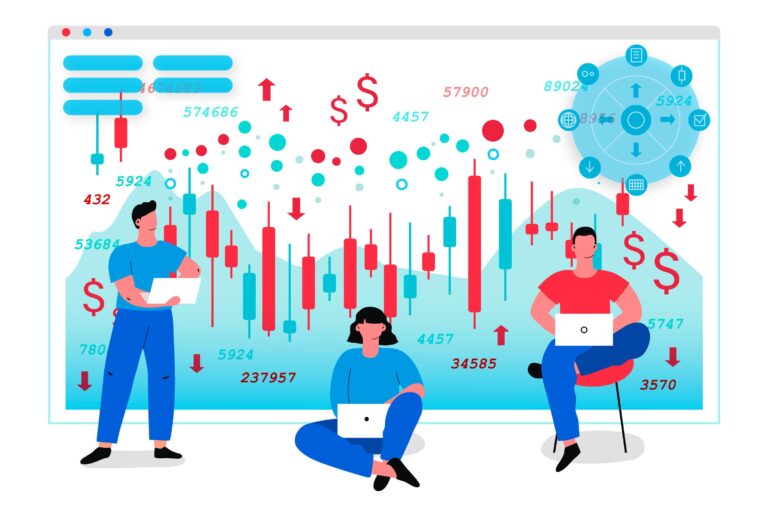
Forex charts are the backbone of every trader’s decision-making. Firstly, they visually show currency price movements over time, helping traders spot trends and make smarter trading choices. To read Forex charts effectively, start with the basics: the vertical axis shows price, while the horizontal axis represents time. Traders can choose between line, bar, or candlestick charts depending on their style. For example, candlestick charts are the most popular since they clearly display open, close, high, and low prices. Ultimately, by analyzing Forex charts, traders can better understand price behavior, market reactions to economic events, and overall market sentiment—leading to more informed trading decisions.
Identifying Market Trends and Patterns
Once you understand how to read Forex charts, the next step is identifying patterns and trends that signal potential trading opportunities. First, a trend shows the general direction of price movement—upward, downward, or sideways—and spotting it early helps traders plan smarter entries and exits. Common patterns, such as head and shoulders, triangles, and double tops or bottoms, often indicate market reversals or continuations. Additionally, tools like trendlines, moving averages, and support and resistance levels help confirm these signals. With consistent practice and regular chart analysis across different time frames, traders become more confident in recognizing patterns and timing their trades more accurately.
Applying Technical Indicators Effectively
To read Forex charts like a pro, mastering technical indicators is key. First, tools like the Relative Strength Index (RSI), Moving Average Convergence Divergence (MACD), and Bollinger Bands help traders gauge momentum, volatility, and potential reversals. For instance, RSI shows if a currency pair is overbought or oversold, while MACD highlights trend strength and direction. Moreover, using a few complementary indicators together provides a clearer perspective and helps validate trade decisions, without cluttering the chart. As a result, moving from beginner to advanced chart reading means focusing on clarity, accuracy, and data-driven decisions. Ultimately, by applying indicators effectively, traders can turn raw chart data into actionable insights for smarter trading.
Mastering the Art of Forex Chart Reading
Learning to read Forex charts like a pro takes time, patience, and continuous practice. Initially, start with the basics, identify patterns, and gradually incorporate technical indicators into your analysis. Next, remember that every chart tells a story—your goal is to interpret it correctly to make smarter trading decisions. Ultimately, the more you engage with Forex charts, the sharper your instincts and timing will become. With discipline and proper analysis, you can transform chart reading from a confusing task into your strongest trading skill.
The Evolution of Online Trading: From Floor to Fingertip
The Evolution of Online Trading: From Floor to Fingertip Before online trading became part of everyday life, financial markets operated in a very different environment.
Opportunities and Challenges of Online Trading in the Philippines
Opportunities and Challenges of Online Trading in the Philippines Online trading has become more accessible than ever, giving Filipinos new ways to participate in global
Why More OFW Are Getting Into Forex Trading
Why More OFW Are Getting Into Forex Trading Overseas Filipino Workers (OFWs) traditionally invest their hard-earned money in real estate, insurances, or traditional savings accounts.
Major vs. Minor Currency Pairs: What Should Filipinos Know?
Major vs. Minor Currency Pairs: What Should Filipinos Know? In forex trading, traders buy one currency while simultaneously selling another. This relationship creates what traders
The Risks and Rewards of CFD Trading Explained
The Risks and Rewards of CFD Trading Explained CFD trading continues to attract traders because it offers flexibility and access to different financial markets. Through
Red Flags: How to Spot Unregulated or Scam Trading Platforms
Red Flags: How to Spot Unregulated or Scam Trading Platforms Online trading continues to attract beginners and experienced traders alike because it offers accessibility, flexibility,